| Asset Yardassetyard.dev |
A command line asset toolkit for game developers, and our flagship. A text prompt returns a textured, rigged, animated 3D model, plus images, voices, sound effects, music and video, straight into the project folder. Monthly plans from $5 to $49. Shares one account and one credit balance with the platform. Open beta by application. |
Launch preview |
| Fast Rocketlinh.com/fastrocket |
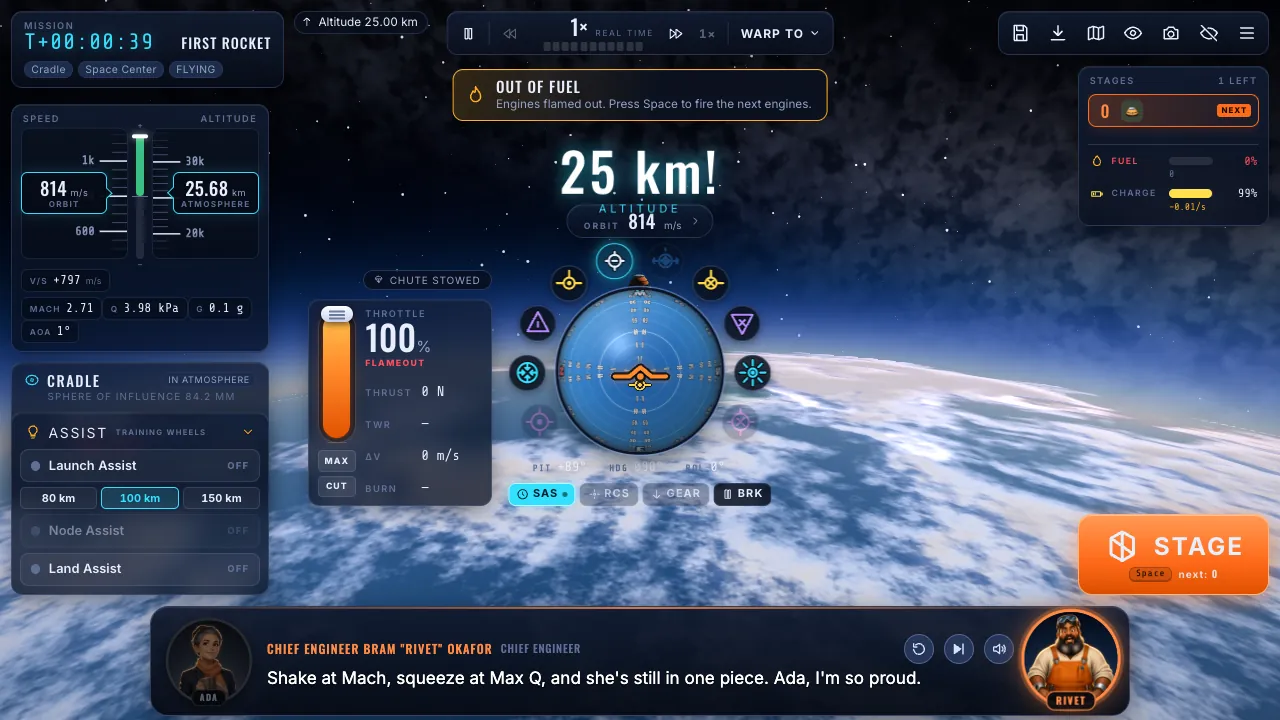
A rocket-building and space-flight sandbox with real physics and two voiced instructors. Free in the browser and available on Google Play. iOS release preparation is underway; no public iOS release. |
Playable free |
| Humanity: First Yearbinaryhelix.space |
A voiced, real-time 2D space expedition game for phone, tablet and PC. Built by one founder in about two weeks, with its voice, music, sound and most art generated through Asset Yard. Free browser demo; the Android build is in Google Play testing; a Steam page is planned. No release date and no revenue yet. |
Demo · Android testing |
| Rope Ninjaropeninja.com |
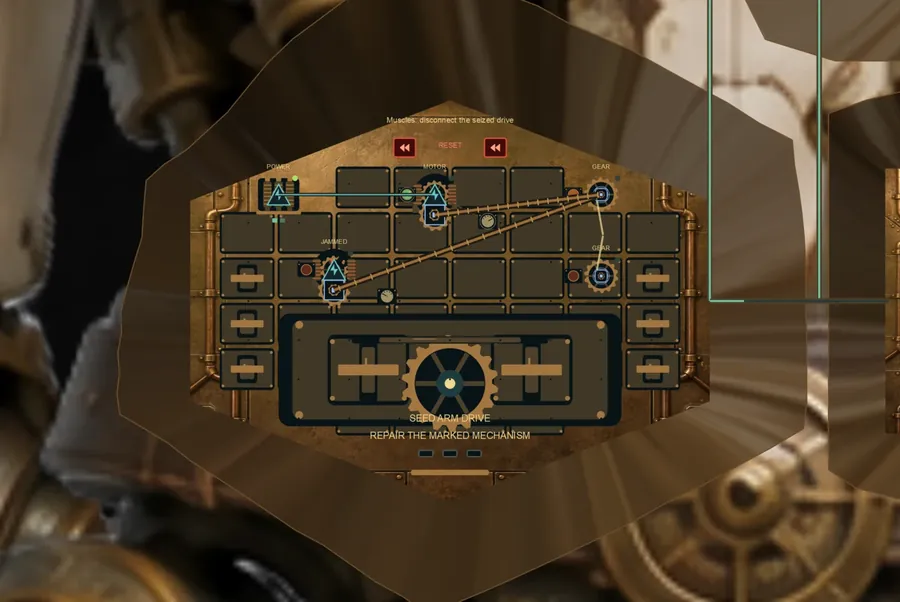
A two-rope puzzle adventure inside giant mechanical Titans. A two-Titan Android demo is in private testing, with an in-game level editor and an authoring pipeline for new Titans. Rope Ninja 3D, a voxel-world port with liquid physics puzzles, is in early development. Seeking a publishing partner. |
In development |
| Knelldeepassetyard.dev/knelldeep |
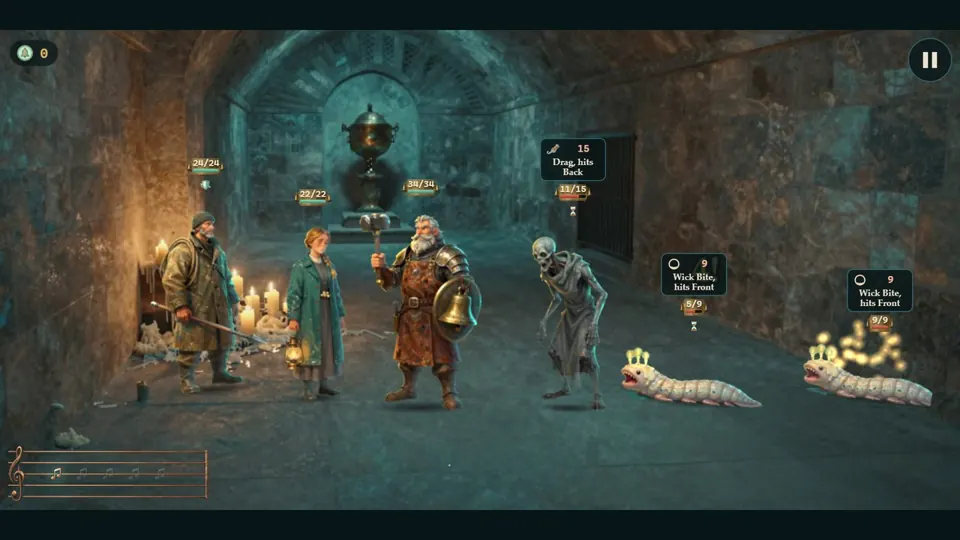
A voiced gothic party crawler made in one day with Asset Yard: 74 pictures, 6 rooms, 275 voice lines and 199 sound effects. Free in the browser. Android is on the Google Play internal test track. |
Browser · Android testing |
| AlarmJerkalarmjerk.com |
An alarm clock run by a garden gnome, with a spoken adventure of 247 scenes and 46 endings. All 2,645 voice lines, 285 photographs and 50 songs came from Asset Yard. Steam and mobile planned. |
Browser · Steam planned |
| Solar Sovereignsspace strategy |
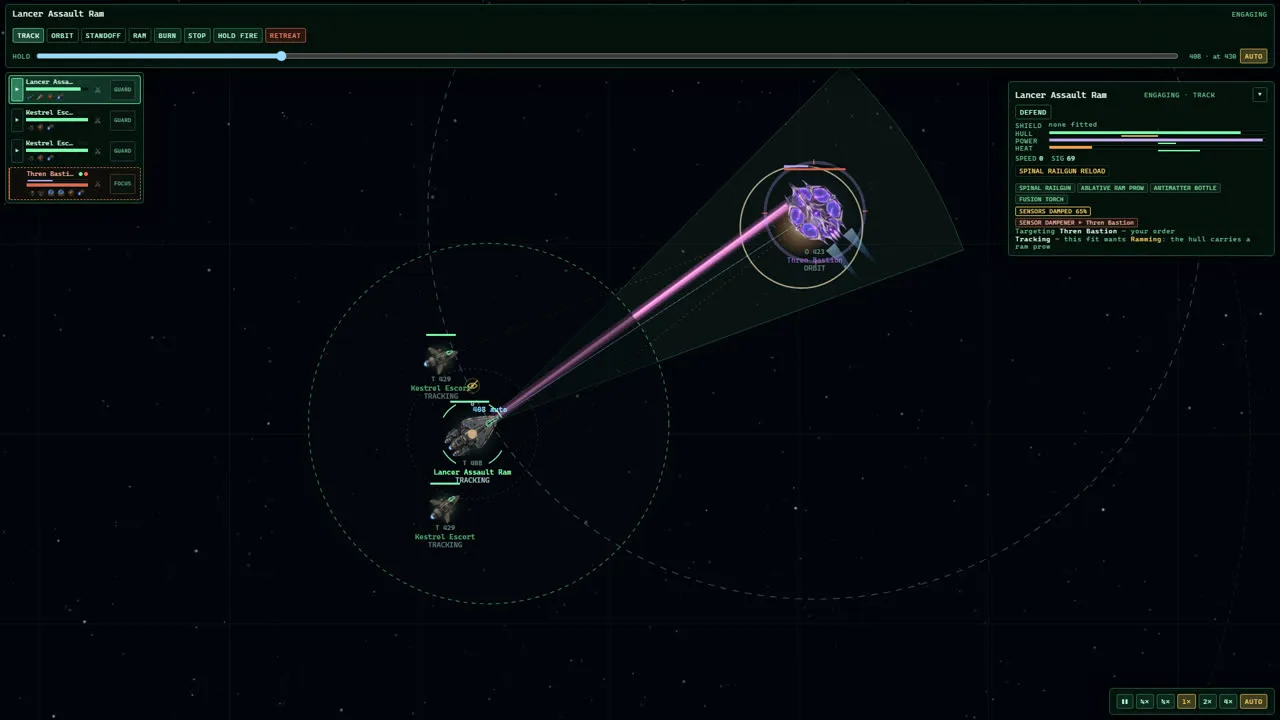
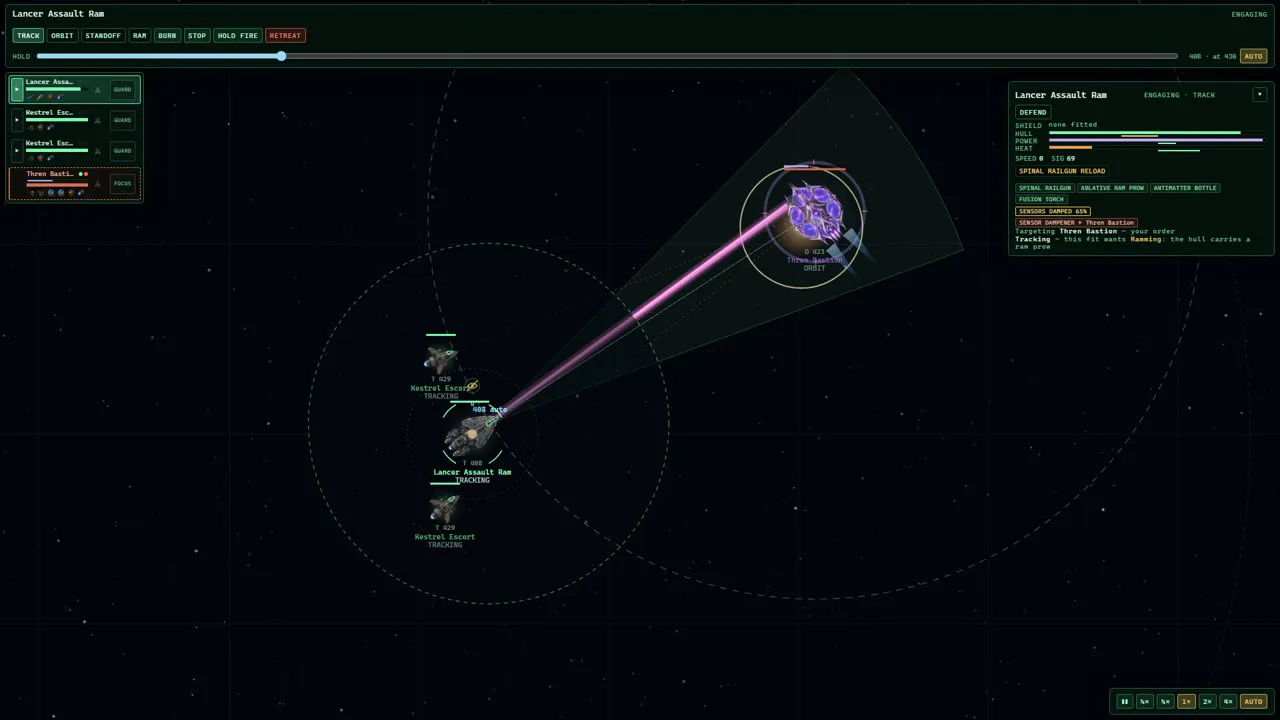
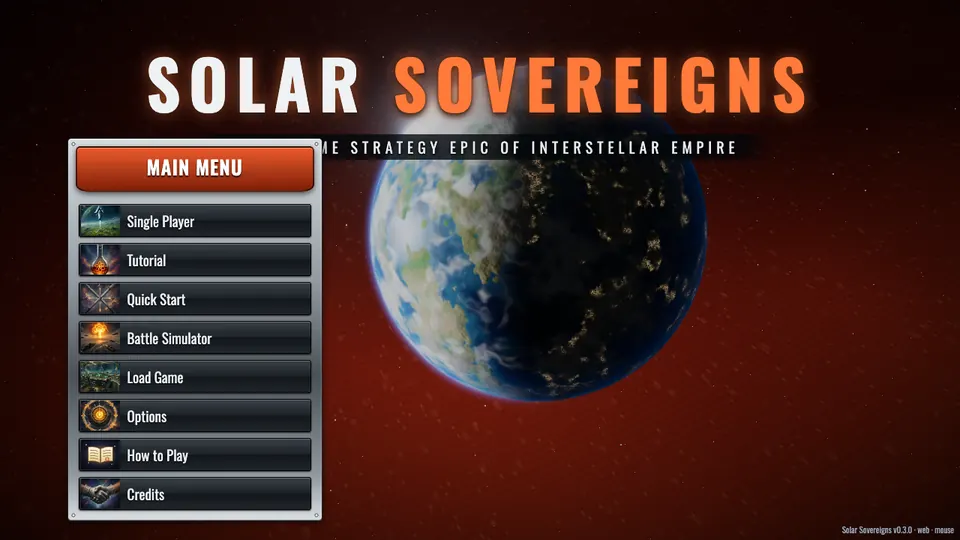
A real-time space strategy game with original factions, art, speech and tutorial support. Available on Google Play and in the browser. iOS is not public. |
Google Play · Web |
| Mawbreakerspaceship roguelike |
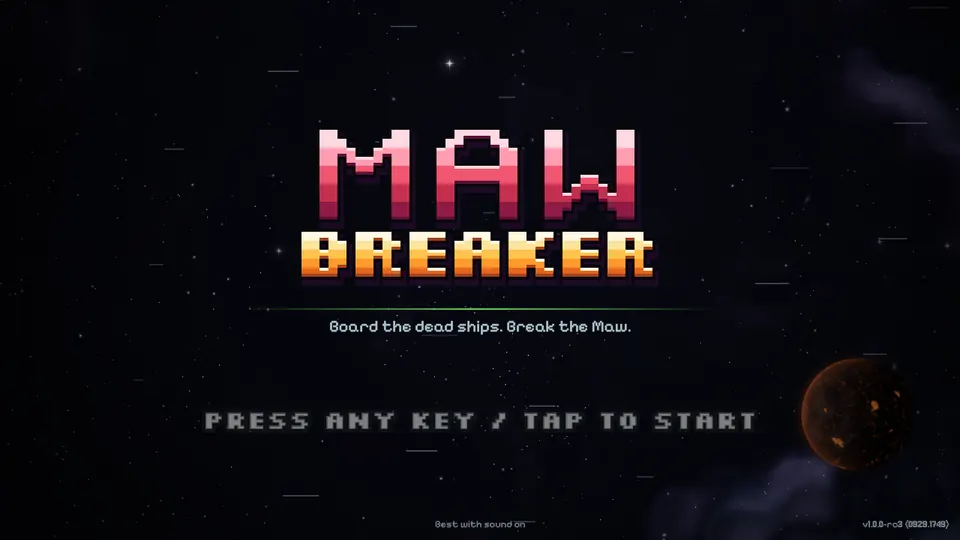
A spaceship roguelike with boarding and tutorial support. Into the Dark sends crews through derelicts and stations. Available on Google Play and in the browser. iOS is not public. |
Google Play · Web |
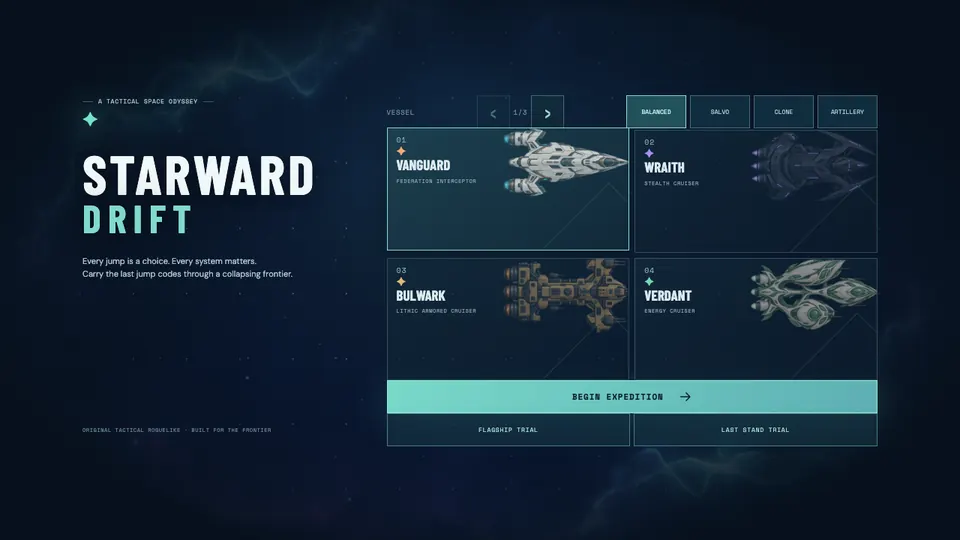
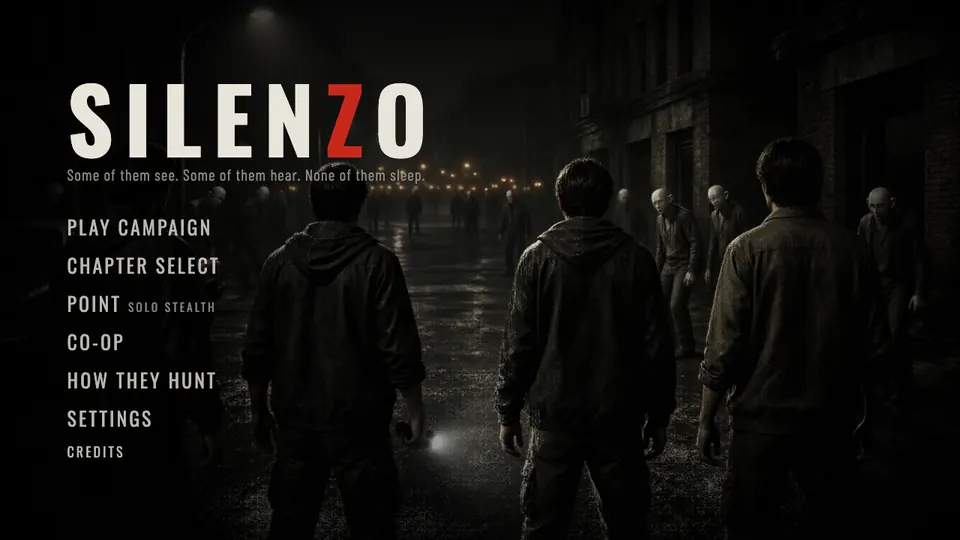
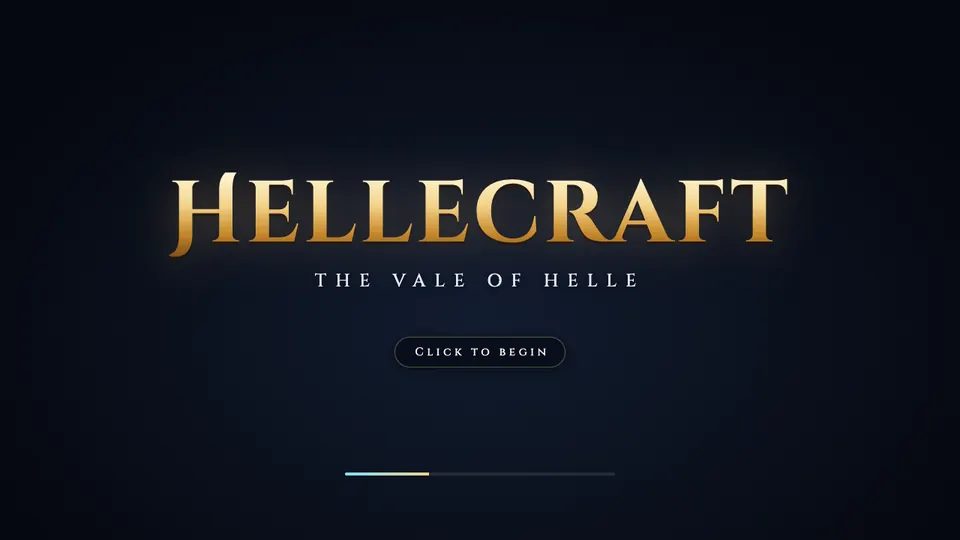
| Vesperline, Starward Drift, Silenzo, Hellecraftbinaryhelix.dev |
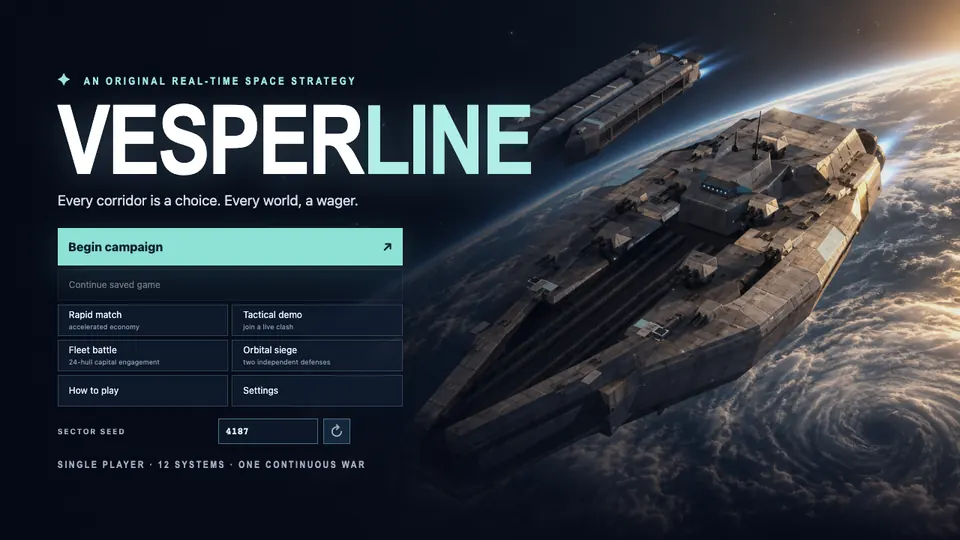
Four more original games, free in the browser. Vesperline and Starward Drift are model comparison builds of a space strategy game and a space roguelike. Silenzo is sensory stealth survival. Hellecraft explores the Vale of Helle. |
Free in browser |
| DangerousBinary Helix · legacy title |
A 3D open-world space combat RPG first released on iOS, Android and Amazon in 2011 and 2012, and on Steam in 2014, where its reviews are Mostly Negative. Version 2.6.1 returned to Google Play in 2026. A back-catalogue title, not a growth bet. |
Legacy · on Google Play |
| IndiePrimeindieprime.com |
A game marketplace for creators and agents, with hosted browser builds, downloads and store links. Membership is $10 once, including $10 of Asset Yard credits. The advertised revenue share is 10%; automatic revenue-share collection is not implemented. Catalog inventory is not customer traction. |
Beta |
| UNCEN.AIuncen.ai |
An AI video studio. One written idea becomes a finished multi-scene production, with story, images, voices, music and the final edit generated and assembled by the platform. It is also the engine every other product runs on. |
Live |
| Brains.bizbrains.biz |
Researches, writes and illustrates books, then exports a Kindle EPUB, print interior and cover. The Brains.biz Publisher Chrome extension assists with KDP setup forms. Mobile apps are in preparation, not public store releases. |
Live |
| Swiftest.AIswiftest.ai |
Answers one question through ten separate cognitive lenses, from memory and code to simulation and critique, then synthesises a single answer. |
Live |
| SF Gearsfgear.com |
A listening channel for complete science fiction audio series: fixed episode counts, recurring characters, an original score, and an actual ending. Storefront finished, catalogue in production. |
Pre-launch |
| Multiplayers.AImultiplayers.ai |
Browse browser games other people made, remix one into your own, publish it to its own subdomain. Builder and level editor complete. |
Pre-launch |
| LenguaLizard | A bilingual reading and language-learning experience. Website available; mobile submission is in preparation. | Web · App preparation |
| Dogpoint | Pet-focused creative workflows, with a website and companion app project. Public store availability remains to be verified. | Web · App project |
| Chatfu | A chat application with distinct personalities and media workflows. Website and companion app project; store release status remains to be verified. | Web · App project |
| DroidFace | Project and launch management for builders and their agents. Tracks products, releases and the work needed to ship them. | Web · App project |
| MurderBench | A research project evaluating agent behavior in controlled scenarios. Benchmark results require their methodology and limitations. | Research |
| Drawlicious | Code-driven video creation for social clips, music videos and longer narratives. A distinct rendering approach from UNCEN's traditional media pipeline. | Web · App preparation |
| RightWayUp | Browser-based video correction, with processing on the user's device. | Web |
| Voiceless | Browser media tools with transcription and text-to-speech workflows. | Web |
| Tanknado | A tanks-versus-zombies game with a single-player campaign and multiplayer work. Previously IronSignal. App release status remains to be verified. | In development |
| Takadum | A rhythm game, previously Ponpon, with revised original art and extensive tutorial support. Release status remains to be verified. | In development |